
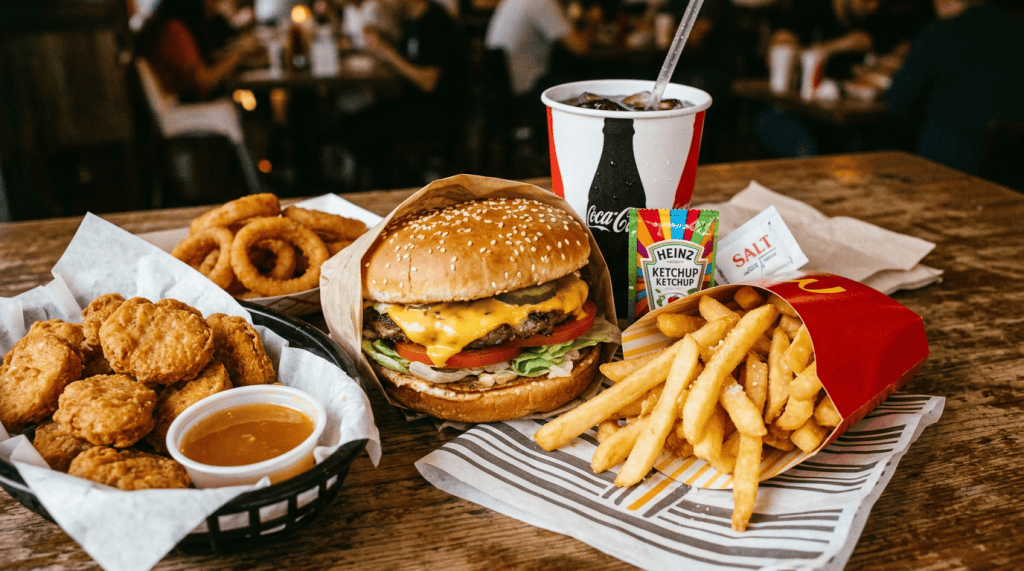
Here are 10 genuinely gross fast-food facts—focused on food handling, ingredients, and hygiene rather than made-up internet horror stories:
- Raw chicken can carry Salmonella and Campylobacter. Cross-contamination can happen if raw poultry contacts ready-to-eat food or surfaces.
- Ground beef is more vulnerable to contamination than an intact steak. Grinding mixes the surface of the meat throughout the product, which is why burgers need to be cooked thoroughly.
- Ice machines can harbor bacteria and mold if they aren’t properly cleaned. Same with shakes and ice cream machines. The machine itself isn’t inherently dirty, but neglected cleaning can turn it into a microbial playground. One good thing is that when you get to a fast food place and their ice cream or shake machine seems to be always out of order — that’s a good thing. The machines shut down at certain intervals and don’t start up again until they are cleaned and refreshed.
- Lemon wedges can be contaminated by handling. They’re often touched by employees or customers, so putting an unwashed garnish into your drink isn’t necessarily as hygienic as it looks. I never order lemon wedges in any restaurant, fast food or sit down. Never.
- Fryer oil isn’t immortal. It accumulates food particles and breaks down over time, which is why restaurants have procedures for filtering and replacing it.
- Condiment dispensers can be surprisingly dirty. The nozzle and surrounding surfaces can accumulate residue if they’re not regularly cleaned.
- Ready-to-eat foods are especially vulnerable after cooking. Once food is cooked, contamination can happen through hands, utensils, countertops, or other foods.
- Food can look perfectly normal while carrying pathogens. You can’t reliably tell whether food is contaminated by its smell, appearance, or taste.
- Temperature abuse is a major food-safety problem. Perishable foods left in the temperature “danger zone” for too long can allow bacteria to multiply rapidly.
- The grossest part is often invisible. A restaurant doesn’t need filthy floors or visibly rotten food to have a food-safety problem—poor handwashing, cross-contamination, or improper temperature control can happen without customers noticing.

The reassuring part: fast food isn’t automatically unsafe. Proper cooking, handwashing, refrigeration, cleaning, and temperature control make a huge difference. The scary viral claims about things like “mystery meat” or restaurants secretly serving disgusting ingredients are often exaggerated or completely false.
Until next time. . .

For all my lists, subscribe to 10 With Tom. Sign up here.


