
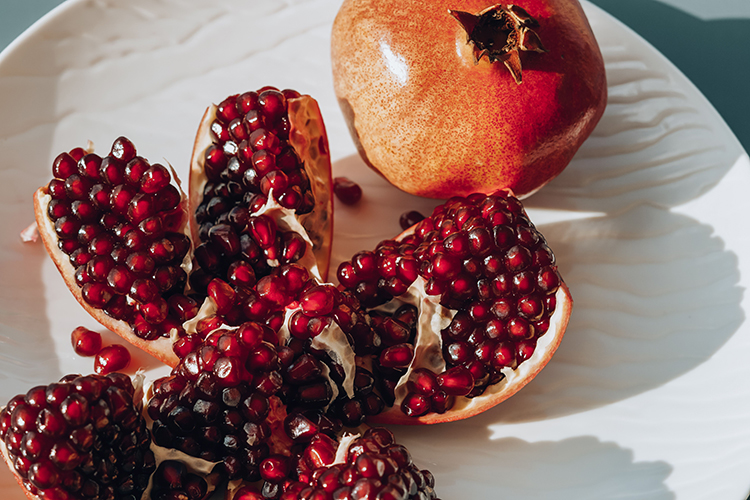
Pomegranates aren’t just delicious, juicy fruits. Even Jacomo here loves them, mess and all.
They’re packed with antioxidants, vitamins, minerals, and plant compounds that may help protect your heart, support your immune system, and improve your overall health.
Here are 10 reasons to add pomegranates to your diet.
1. They may help lower blood pressure
Pomegranates contain polyphenols that support healthy blood vessel function. Some clinical studies suggest that regularly drinking pomegranate juice may modestly reduce blood pressure, particularly in people with elevated readings.
2. They’re loaded with antioxidants
Pomegranates contain powerful antioxidants, including punicalagins and anthocyanins. These compounds help protect cells from oxidative stress, which contributes to aging and various chronic diseases.

3. They support heart health
Research suggests that pomegranate compounds may improve blood vessel function and help reduce certain markers of inflammation. Although promising, evidence that pomegranates prevent heart attacks or strokes remains limited.
4. They may improve memory and brain function
Some small studies suggest pomegranate juice could help support aspects of memory and cognitive performance. Scientists are investigating whether its antioxidants help protect brain cells, but more research is needed.
5. They help fight inflammation
Chronic inflammation is associated with conditions such as arthritis, diabetes, and cardiovascular disease. Pomegranate polyphenols have anti-inflammatory properties, although their effects on disease symptoms in humans are still being studied.
6. They support a healthy digestive system
The edible seeds, called arils, contain fiber that supports regular bowel movements. Pomegranate compounds may also influence beneficial gut bacteria, making the fruit a potentially useful addition to a gut-friendly diet.
7. They provide important immune-supporting nutrients
Pomegranates supply vitamin C and other nutrients involved in normal immune function. Their antioxidants also help protect cells from damage. They won’t prevent colds on their own, but they contribute to a nutritious diet.
8. They may improve exercise recovery
Some preliminary studies suggest that pomegranate juice or extracts may reduce muscle soreness and support recovery after strenuous exercise. Results are mixed, and pomegranates aren’t a substitute for adequate protein, hydration, and rest.
9. They may help protect against certain cancers
Laboratory studies have found that pomegranate compounds can affect the growth of some cancer cells. However, there is no convincing clinical evidence that eating pomegranates prevents or treats cancer in humans. This remains an area of ongoing research.
10. They may help support healthy blood sugar levels
Whole pomegranate arils contain fiber and polyphenols that may contribute to metabolic health. Some studies suggest potential improvements in blood sugar regulation, but findings are inconsistent. Whole fruit is generally preferable to juice because it contains fiber.
How much pomegranate should you eat?
A good serving is about ½ cup of pomegranate arils.
This provides roughly 70–75 calories and 3–4 grams of fiber. Add them to yogurt, oatmeal, salads, or simply eat them by the spoonful.
If you prefer juice, choose 100% pomegranate juice without added sugar, and remember that it contains natural sugars but little fiber.
The bottom line
Pomegranates are among the more interesting fruits being studied for their antioxidant and anti-inflammatory properties. Their strongest practical benefits come from being a nutrient-rich, fiber-containing food that can fit into a heart-healthy eating pattern.
One thing to remember: Pomegranates are healthy, but they’re not miracle foods. Eating them regularly as part of a balanced diet is more valuable than expecting them to cure or prevent a particular disease. If you take blood pressure medication or other prescription medicines, ask your healthcare professional about possible interactions with concentrated pomegranate products.
Till next time . . .

For all my lists, subscribe to 10 With Tom. Sign up here.