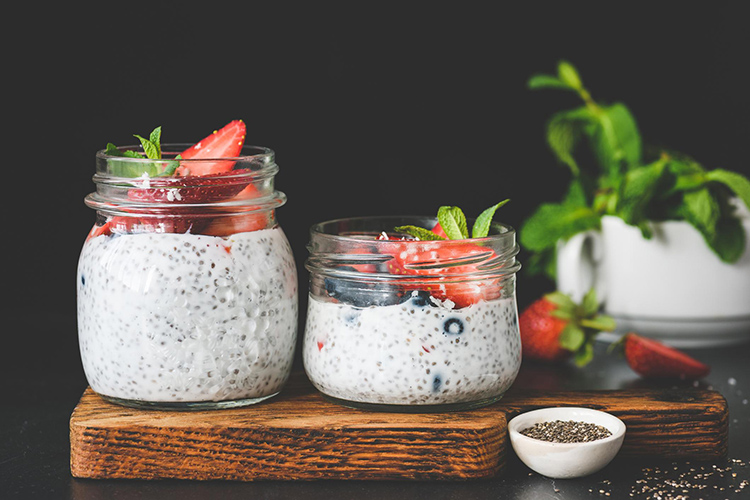
Chia seeds are tiny but packed with nutrients, including fiber, plant-based omega-3 fatty acids, protein, antioxidants, and minerals. Adding them to your daily diet may support several aspects of your health.
People think of the Chia Pet plant thingie and freak out, but think of them as poppy seeds. Poppies are flowers, aren’t they? But we eat poppy seeds on bread, bagels and other things.
Chia seeds have the same mouth feel and crunch as poppy seeds, but they hold so much power.
Here are 10 health benefits of adding chia seeds to your diet
1. Support healthy digestion Chia seeds are rich in fiber, which helps promote regular bowel movements, support gut health, and prevent constipation when you drink enough water.
2. Help you feel full longer Chia seeds absorb liquid and form a gel. Their fiber and protein can help increase fullness, which may make it easier to manage hunger and portion sizes.
3. Support heart health They contain alpha-linolenic acid (ALA), a plant-based omega-3 fatty acid, as well as fiber that may help improve cholesterol levels as part of a balanced diet.
4. May help regulate blood sugar Their high fiber content can slow digestion and the absorption of carbohydrates, potentially reducing sharp rises in blood sugar after meals.
5. Promote strong bones Chia seeds provide calcium, phosphorus, magnesium, and some protein, all of which contribute to maintaining healthy bones.
6. Provide plant-based protein They contain all nine essential amino acids, making them a useful addition to a varied plant-based diet, although they aren’t as protein-dense as many other protein sources.
7. Provide antioxidants Chia seeds contain antioxidant compounds that help protect cells from oxidative damage. Their presence doesn’t mean chia seeds prevent specific diseases, but they can contribute to a nutritious diet.
8. Support healthy blood pressure Chia seeds supply minerals such as magnesium and potassium that play roles in normal blood pressure regulation. However, eating chia seeds alone is not a proven treatment for high blood pressure.
9. Provide sustained dietary energy Their combination of fat, fiber, protein, and carbohydrates provides energy and may help you feel satisfied between meals.
10. May support weight management Because chia seeds are rich in fiber and can increase fullness, they may help with appetite management. However, they are calorie-dense, and eating them alone does not guarantee weight loss.
How much chia seeds should you eat daily?

A good starting amount: 1–2 tablespoons per day
- 1 tablespoon: about 5 g of fiber and 60 calories.
- 2 tablespoons: about 10 g of fiber and 140 calories.
Exact values vary by serving size and product.
Easy ways to eat chia seeds
Chia pudding
Mix with milk and refrigerate overnight.
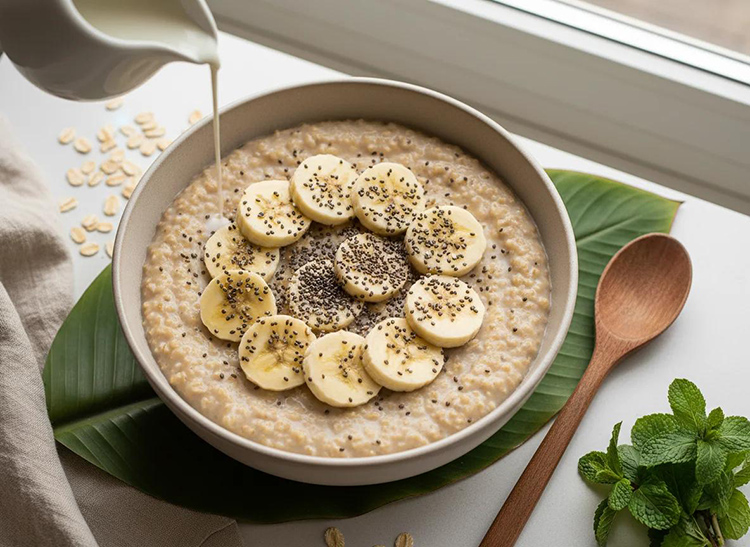
Oatmeal
Stir into oatmeal for extra fiber.
Smoothies
Blend into your favorite fruit smoothie.
Chia water
Soak thoroughly before drinking.
Important tips:
- Start with a small amount if you’re not used to eating much fiber.
- Soak chia seeds or mix them into moist foods. Avoid swallowing a spoonful of dry seeds, as they expand when wet and may cause choking, especially if you have difficulty swallowing.
- Drink enough water to help the fiber move through your digestive system.
Bottom line: Chia seeds can be a nutritious daily addition, especially for fiber, plant-based omega-3 fats, and minerals. They work best as part of a balanced diet rather than as a substitute for medical treatment.
Until next time. . .

You can subscribe to 10 With Tom Free – right here: Sign up here.