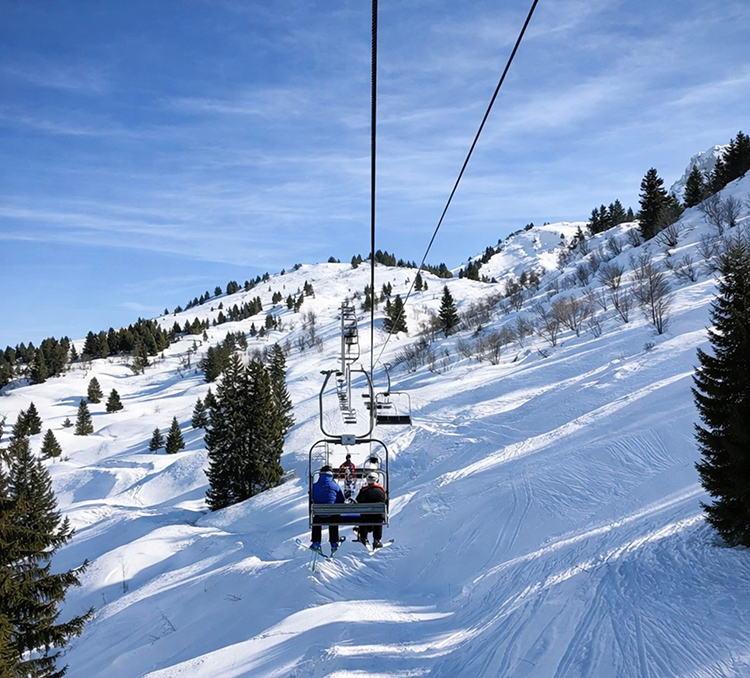
Are you a skier? This winter promises to be a big year for winter sports. Whether you’re skiing for the first time or returning after a few years away, a little preparation can make your day safer, warmer, cheaper—and much more fun. Here are 10 skiing tips for the winter:
Dress in layers, not one giant coat.
Start with a moisture-wicking base layer, add an insulating middle layer, then finish with a waterproof/windproof ski jacket and pants. Avoid cotton next to your skin because it holds moisture and can leave you cold.
A helmet is worth wearing.
Modern ski helmets are warm, comfortable and designed for snow sports. Make sure yours fits snugly without creating pressure points, and check that your goggles work comfortably with it.
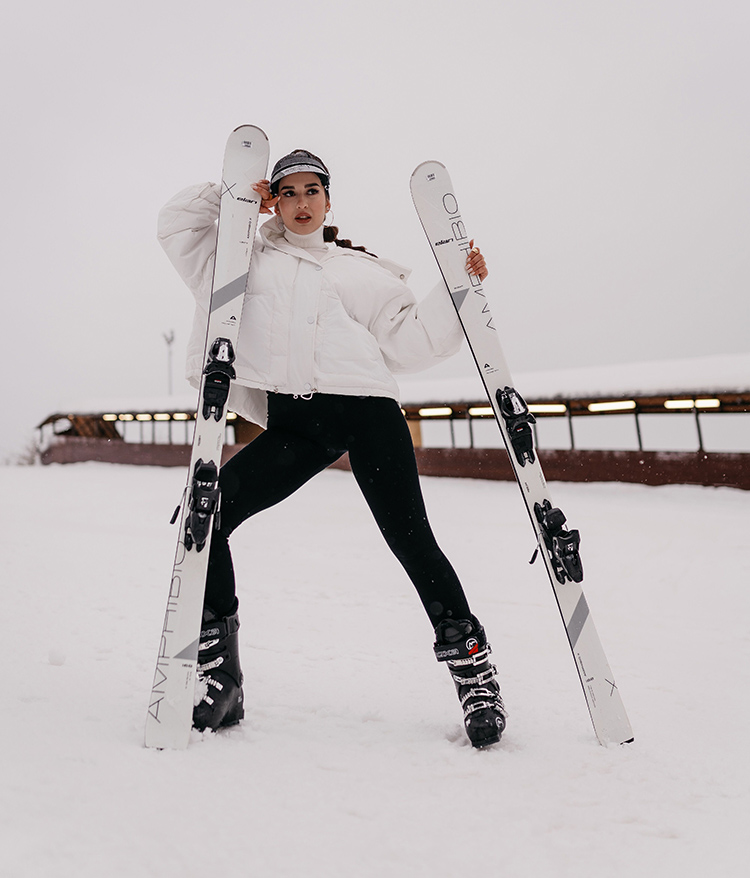
Don’t underestimate the sun.
Snow reflects sunlight, so you can get sunburned surprisingly quickly—even when it’s cloudy and freezing. Use sunscreen on exposed skin, lip balm with SPF, and UV-protective goggles or sunglasses.
Get your boots fitted properly.
Ski boots should be snug, but they shouldn’t cause severe pain or numbness. Poorly fitting boots can turn an otherwise great ski day into a miserable one. If you’re renting, don’t be afraid to return to the rental shop and ask for a different size or boot.
Learn what the trail symbols mean.
In North America, green circles generally indicate easier terrain, blue squares intermediate terrain, and black diamonds more difficult terrain. Double-black terrain is intended for highly experienced skiers. Difficulty can vary significantly from one mountain to another.
Take a lesson—even if you’ve skied before.
Beginners can learn stopping, turning, getting on lifts and controlling speed much faster with professional instruction. If you haven’t skied in years, even a short refresher lesson can rebuild confidence and technique.
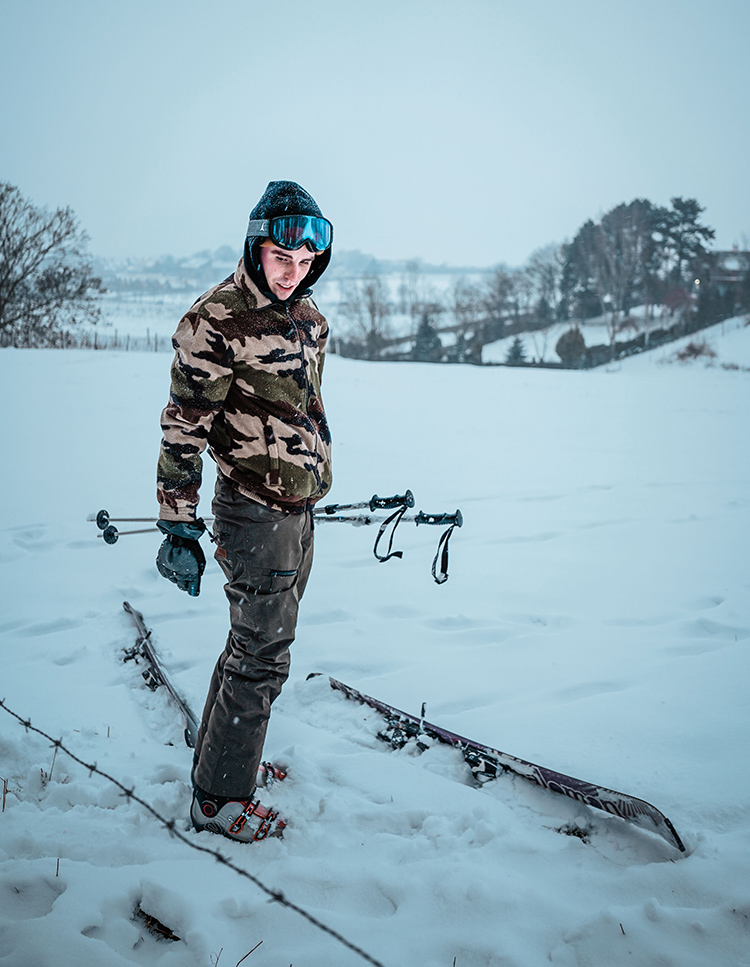
Check conditions before heading up.
Fresh powder, packed snow, ice, high winds and poor visibility can make the exact same trail feel completely different. Check the resort’s snow report, weather forecast, lift status and trail openings before leaving.
Buy lift tickets in advance when possible.
Walk-up window prices can be expensive. Many resorts use date-based pricing, so purchasing ahead of time may save money. Also look at multi-day tickets, beginner-area tickets and packages that combine rentals and lessons.
Know the basic rules of the mountain.
Stay in control, don’t stop where you’re difficult to see, look uphill before entering a trail, obey posted signs and give people downhill from you the right of way. Never duck a closed-trail rope.
Know when you’re done for the day.
A surprising number of mistakes happen when skiers are tired and decide to squeeze in “one last run.” Take breaks, drink water and eat enough during the day. If your legs are exhausted or you’re losing concentration, there’s nothing wrong with heading to the lodge.
Bonus tip: Prepare the night before
Lay out your gloves, helmet, goggles, ski socks, sunscreen, lift pass and clothing before going to bed. Getting to the mountain early usually means easier parking, shorter rental lines and more time on the snow.
The goal isn’t to ski the hardest trail on the mountain—it’s to finish the day wishing you had time for one more run.
Till next time . . .

For all my lists, subscribe to 10 With Tom. Sign up here.