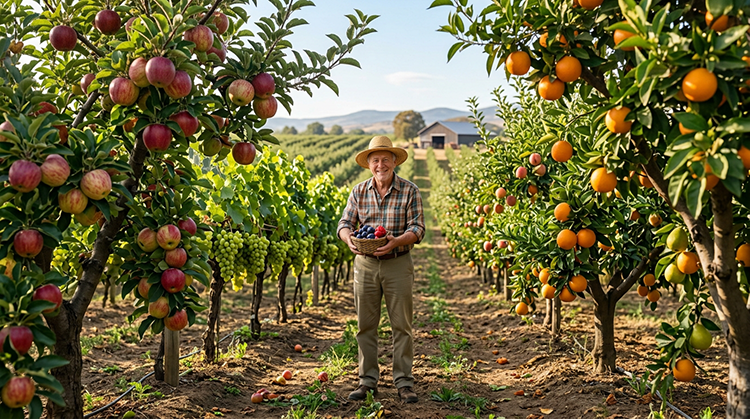
Everyone has their favorite fruits and veggies. This is our list of fruits. And here’s our reasoning behind that subjective top-10 fruit ranking, based on a mix of taste, texture, versatility, convenience, and how enjoyable they are fresh.
Mango
Why it ranks #1: Sweet, juicy, fragrant, and intensely flavorful. A ripe mango can be almost dessert-like.
- Taste: Very sweet, tropical, floral
- Texture: Soft and juicy
- Best uses: Fresh, smoothies, salsa, desserts, salads
- Nutrition: Rich in vitamin C, vitamin A, and folate
- Downside: Can be messy and difficult to cut; quality varies significantly depending on ripeness.
Strawberry
A great balance of sweetness and acidity, with a distinctive aroma.
- Taste: Sweet-tart and aromatic
- Texture: Juicy and tender
- Best uses: Fresh, yogurt, cereal, desserts, smoothies
- Nutrition: High in vitamin C and provides fiber
- Downside: Spoils relatively quickly.
Watermelon
Especially hard to beat on a hot day.
- Taste: Mildly sweet and extremely refreshing
- Texture: Crisp, juicy
- Best uses: Fresh, fruit salads, drinks
- Nutrition: High water content; provides vitamin C and lycopene
- Downside: A mediocre watermelon can be surprisingly bland.
Banana
Not necessarily the most exciting fruit, but incredibly practical.
- Taste: Sweet, creamy
- Texture: Soft and smooth
- Best uses: Breakfast, smoothies, baking, snacks
- Nutrition: Good source of potassium and vitamin B6
- Downside: Ripens quickly and becomes overripe easily.
Pineapple
One of the strongest sweet-and-tart combinations among common fruits.
- Taste: Sweet, tangy, tropical
- Texture: Juicy and fibrous
- Best uses: Fresh, grilled, salsa, smoothies
- Nutrition: Provides vitamin C and manganese; contains bromelain
- Downside: Can irritate your mouth if you eat a lot of it.
Peach
When perfectly ripe, a peach has an amazing combination of aroma, juiciness, and softness.
- Taste: Sweet, floral, slightly tangy
- Texture: Soft and juicy
- Best uses: Fresh, cobbler, grilled, salads
- Nutrition: Provides vitamins C and A plus fiber
- Downside: Perfect ripeness can be difficult to catch.
Orange
A classic for a reason: refreshing, juicy, and reliably flavorful.
- Taste: Sweet-tart
- Texture: Juicy with pulpy segments
- Best uses: Fresh, juice, salads, desserts
- Nutrition: Excellent source of vitamin C
- Downside: Peeling can be inconvenient, and some varieties have lots of seeds.
Apple
Probably one of the most convenient fruits ever.
- Taste: Ranges from very sweet to sharply tart
- Texture: Crisp and crunchy
- Best uses: Snacking, salads, pies, applesauce
- Nutrition: Good source of fiber, especially when eaten with the skin
- Downside: Some varieties can be bland or mealy.
Blueberry
Small but packed with flavor and extremely versatile.
- Taste: Sweet-tart, mildly floral
- Texture: Juicy with a slight pop
- Best uses: Fresh, oatmeal, pancakes, yogurt, smoothies
- Nutrition: Rich in anthocyanins and provides fiber and vitamin C
- Downside: Fresh blueberries can be expensive depending on the season.
Grapes
They get points for being incredibly easy to eat.
- Taste: Sweet, sometimes tart
- Texture: Crisp and juicy
- Best uses: Snacking, fruit salads, freezing
- Nutrition: Provide vitamin K and various plant compounds
- Downside: Flavor varies a lot between varieties.
🏆 Different categories
If we changed the criteria, the ranking would look very different:
- Best flavor: Mango
- Most refreshing: Watermelon
- Best snack: Apple
- Best breakfast fruit: Banana
- Best tropical fruit: Pineapple
- Best berry: Strawberry
- Best dessert fruit: Peach
- Most convenient: Grapes
- Best citrus: Orange
- Best for smoothies: Blueberry / Mango
And if we’re ranking purely by taste, I’d probably put mango, pineapple, strawberry, peach, and watermelon at the top.
Until next time. . .

You can subscribe to 10 With Tom Free – right here: Sign up here.