
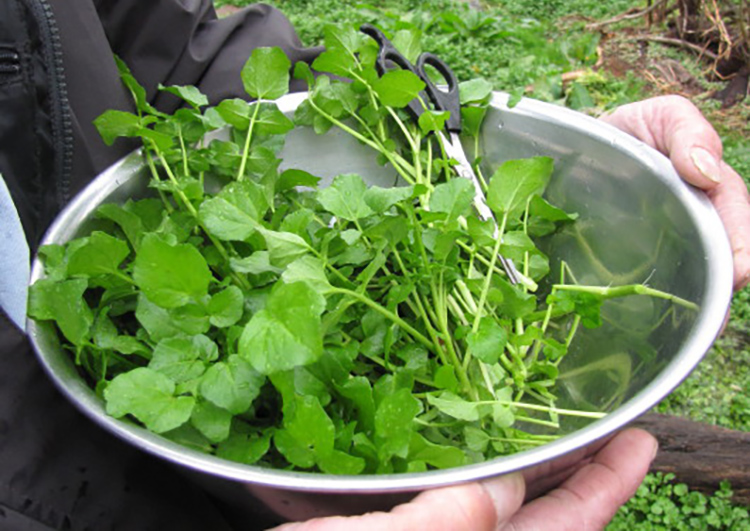
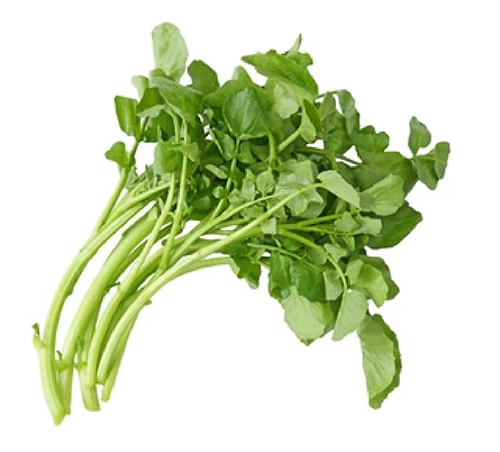
Watercress (Nasturtium officinale) is a nutrient-dense leafy green that offers a wide range of health benefits. Many medical experts feel it has more nutrients than cruciferous veggies like broccoli and cauliflower.
Here are 10 evidence-based health benefits of watercress:
🥗 1. Rich in Nutrients
Watercress is low in calories but packed with vitamins and minerals — especially vitamin K, vitamin C, vitamin A, calcium, and manganese. Just one cup provides over 100% of your daily vitamin K needs.
💪 2. Supports Bone Health
Thanks to its high vitamin K content (important for bone mineralization) and calcium, watercress may help maintain strong, healthy bones and reduce fracture risk.
❤️ 3. Promotes Heart Health
Watercress contains antioxidants and nitrates that help improve blood vessel function, lower blood pressure, and reduce inflammation, all of which support cardiovascular health.
🧠 4. Protects Brain Function
Compounds like vitamin C, vitamin E, and beta-carotene in watercress help protect brain cells from oxidative stress and may reduce the risk of cognitive decline.
🧬 5. May Have Anti-Cancer Properties
Watercress is rich in glucosinolates, which the body converts into isothiocyanates — compounds shown to inhibit cancer cell growth in laboratory studies, especially for lung and colon cancers.
🌿 6. Supports Immune System
The high levels of vitamin C strengthen the immune system, helping the body fight infections and maintain healthy skin and connective tissues.
🌞 7. Improves Skin Health
Antioxidants and vitamin A in watercress promote collagen production, reduce oxidative damage, and may help maintain clear, youthful-looking skin.
🍽️ 8. Aids Digestion and Detoxification
The fiber in watercress supports healthy digestion, while its phytonutrients assist liver enzymes in detoxifying harmful substances.
🫁 9. Supports Respiratory Health
Traditionally, watercress has been used as a natural expectorant, helping to soothe coughs and support lung function due to its anti-inflammatory and antimicrobial effects.
⚖️ 10. Helps with Weight Management
Low in calories but high in water and nutrients, watercress adds volume and nutrition to meals — helping you feel full without adding excess calories.
Watercress is a leafy green vegetable with a slightly spicy and peppery flavor. It can be enjoyed in various ways:
Raw:
- Add to salads for a crunchy and flavorful addition.
- Top sandwiches or wraps for an extra boost of flavor.
- Garnish soups or dips.
Cooked: Saute or stir-fry with other vegetables, Steam or boil until tender, Add to soups or stews, and Blend into pesto or sauces.
Other Ways:
- Make watercress juice by blending watercress with water or juice.
- Add to smoothies for a nutrient-rich boost.
- Use as a garnish for dishes like eggs or fish.
Tips:
If you’re new to watercress, start by adding small amounts to your dishes to gradually adjust to its flavor.
Rinse watercress thoroughly before eating.
Remove any tough stems or yellowed leaves.
Watercress is best enjoyed fresh, but it can also be stored in the refrigerator for up to a week.
RECEIVE 10 WITH TOM in your email each time I publish. Sign up here.


