
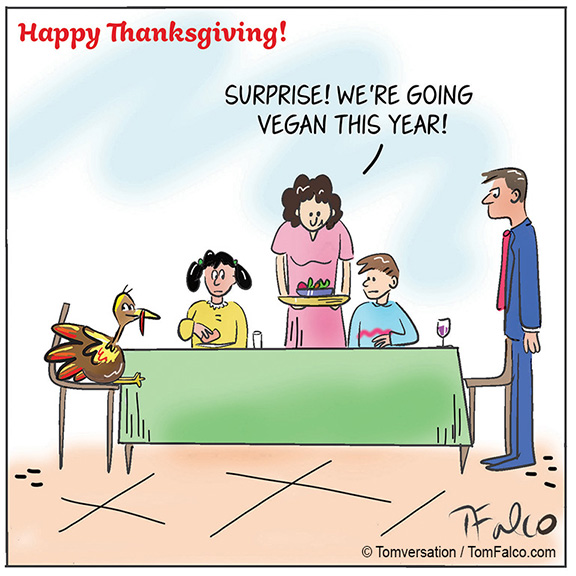
Happy Thanksgiving! Today most Americans are having Turkey for Thanksgiving, many vegans and vegetarians are not. Either way, here are 10 interesting facts about turkeys.
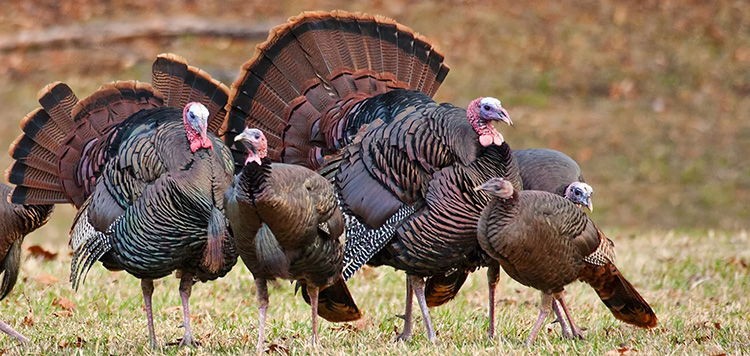
Turkeys Can Change Color: The skin on a turkey’s head can change color, shifting between red, blue, and white depending on their mood or excitement level. This is due to blood flow changes in response to emotions like aggression or courtship.
They Can Fly…Sort Of: Wild turkeys are actually strong fliers and can reach speeds of up to 55 miles per hour for short distances. Domesticated turkeys, however, are usually too heavy to fly due to selective breeding.
Amazing Vision: Turkeys have excellent vision that’s about three times sharper than human vision and can see a wider color spectrum. They have a 270-degree field of view due to the placement of their eyes on the sides of their heads.
They Have Built-in GPS: Wild turkeys have an incredible sense of direction and memory, helping them navigate their home range, which can be up to 1,000 acres.
Unique Vocabulary: Turkeys communicate with more than 20 different vocalizations, including the famous gobble, which can be heard up to a mile away. Only male turkeys, called “toms,” gobble, while females, or “hens,” make softer sounds like clucks and purrs.
Strong Swimmers: Turkeys can swim when necessary, tucking their wings in and kicking to propel themselves through the water. Though they don’t swim often, they’re capable of it.
Presidential Pardoning Tradition: Every Thanksgiving, the U.S. President traditionally “pardons” a live turkey, sparing it from the holiday dinner table. This quirky ritual dates back to the 1940s but became an official tradition in 1989 under President George H.W. Bush.
Historical Significance: Turkeys were a significant part of Native American culture and diet long before European settlers arrived in North America. They were domesticated by Native Americans over 2,000 years ago.
Social Hierarchy: Turkeys have a strong social hierarchy, or “pecking order,” where dominant males often fight each other to establish rank within a flock.
They Sleep in Trees: Although turkeys spend much of their time on the ground, they roost in trees at night to stay safe from predators. Their strong legs help them easily reach the lower branches to find a good spot for the night.
Happy Thanksgiving – turkey lovers or not.
RECEIVE 10 WITH TOM in your email each time I publish. Sign up here.
 10withtom.com