
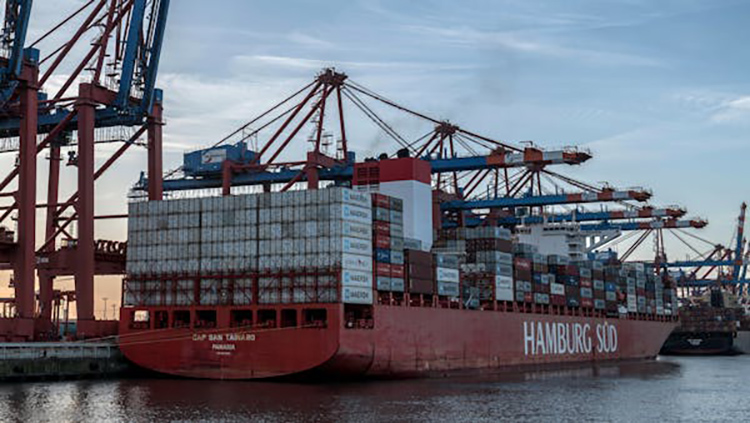
The recent port strike was short lived. A major union for U.S. dockworkers and the United States Maritime Alliance have agreed to a settlement for now. It was settled until possibly January 15, 2025 when renegotiations will start up again. For now, both sides have come to an agreement and hopefully it will last through the next negotiation.
The port strike along the U.S. East and Gulf coasts would cause significant disruptions in the supply chain, with various industries being heavily impacted. Unfortunately, for many of you, you now have a year’s supply of toilet paper and bottled water, thanks to your hoarding. Just so you know, toilet paper and bottled water are not imported and do not come into the country through the ports. Toilet paper is manufactured in the U.S. and is distributed by train. Water is bottled locally.
And let me tell you another little secret – you can just turn on your taps and water will flow out. Think about it.
The top 10 items that are likely to experience delays in the event of a strike include:
Vehicles and Auto Parts – A substantial amount of vehicle imports and parts are shipped through affected ports, particularly through Baltimore, a key hub for car shipments.
Bananas – The U.S. imports three-quarters of its bananas through these ports, making shortages imminent if the strike continued.
Seafood – The ports handle large volumes of imported seafood, including shrimp, lobster, and salmon.
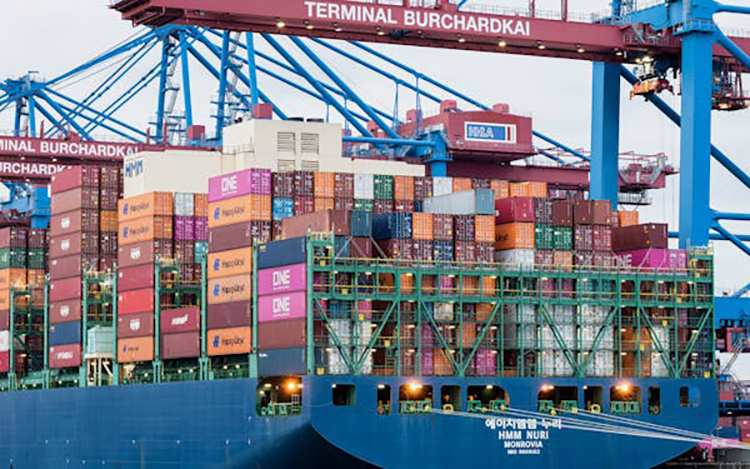
Apparel – More than half of U.S. clothing imports pass through these ports, which would have affected retail supplies.
Furniture – The import of furniture is valued at over $23 billion and could have seen significant delays.
Pharmaceuticals – A vast majority of containerized pharmaceutical products enter through these ports, which could lead to medical supply shortages.
Machinery and Precision Instruments – These are essential for various industries, and disruptions could hinder manufacturing and other sectors.
Alcoholic Beverages – Imported wines, spirits, and beer were in danger of shortages, especially around the holiday season. But not now. Cheers!
Pork and Beef Exports – With 45% of U.S. pork and 30% of beef exports relying on these ports, the agriculture sector could have faced challenges in maintaining international supply.
Holiday Goods – With many retailers already bracing for holiday shopping, delays in popular products like electronics, toys, and seasonal decor were expected. Luckily, that is not an issue now.
The strike’s economic loss would have ranged up to $5 billion per day, affecting both imports and exports. For now, things are good. Except for you toilet paper hoarders.
RECEIVE 10 WITH TOM in your email each time I publish. Sign up here.
 10withtom.com